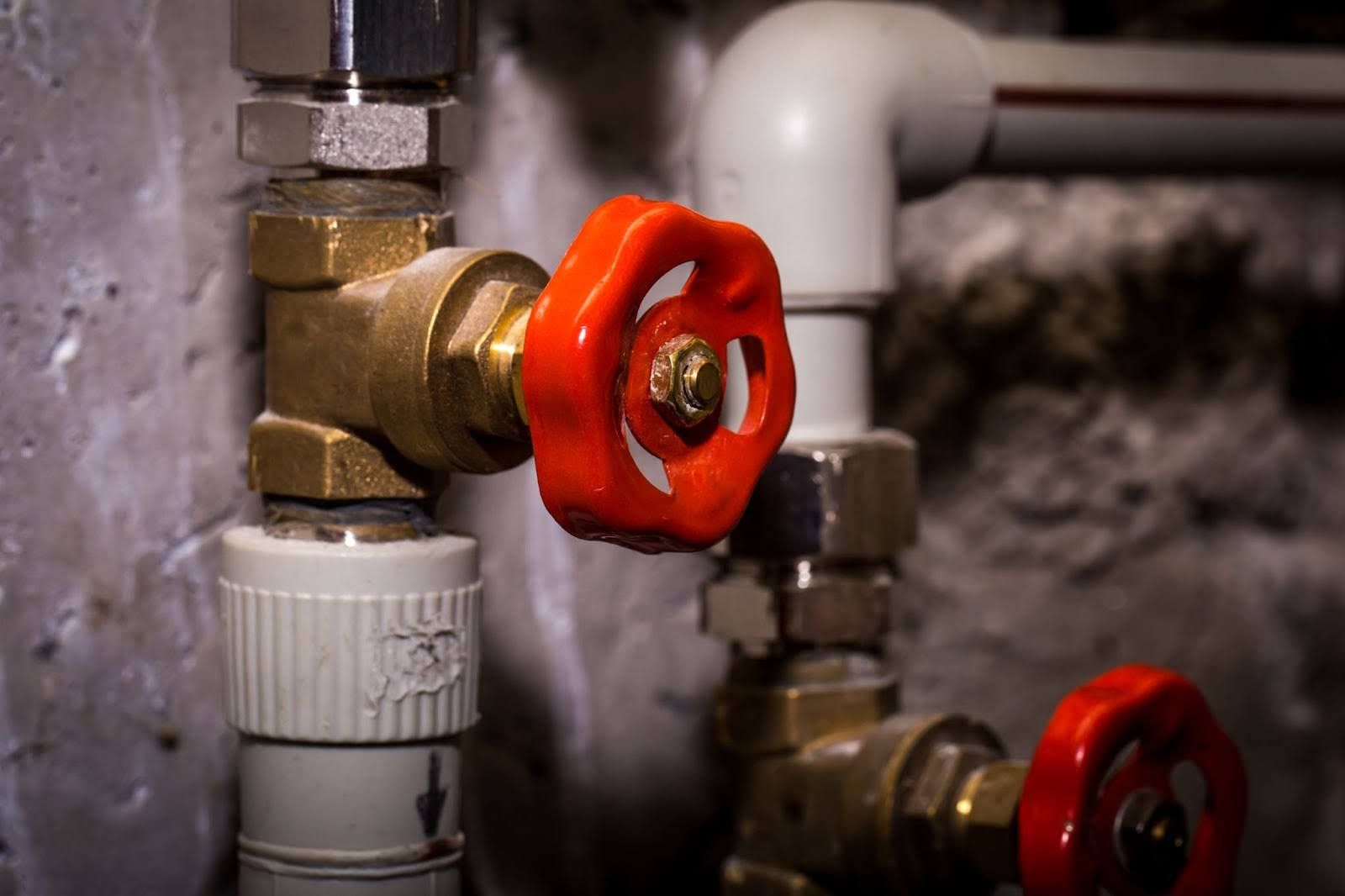
Outdoor Plumbing Problems Sacramento Homeowners Should Fix Before They Damage the Yard
Warning Signs Your Outdoor Plumbing Needs Attention
Outdoor plumbing problems are easy to overlook because the water does not always collect in an obvious place. Inside the home, a leaking pipe may leave a puddle under a sink or stain the ceiling. Outside, the same type of leak can disappear into the soil, spread beneath landscaping, or run along the foundation before anyone realizes something is wrong.
For homeowners in Sacramento, Fair Oaks, and surrounding communities, outdoor plumbing works hard throughout much of the year. Hose bibs, exterior water lines, irrigation connections, outdoor sinks, and plumbing for patios or outdoor kitchens may all be exposed to heat, soil movement, landscaping activity, and regular wear. Even a small weakness in one connection can eventually lead to wasted water, damaged landscaping, or a larger repair.
One of the most common warning signs is a hose bib that continues dripping after it has been turned off. A few drops may not seem urgent, especially when they fall into a flower bed or onto concrete. However, a steady drip can waste a surprising amount of water over time. It may also indicate a worn washer, damaged valve, loose connection, or deterioration inside the fixture.
Homeowners should also pay attention to water spraying or seeping from behind the hose bib. If water appears where the fixture meets the wall, the problem may involve the connection inside the wall rather than the faucet itself. That type of leak can allow moisture to reach siding, framing, insulation, or the foundation area.
Common signs of an outdoor plumbing problem include:
- A hose bib that drips after it has been shut off
- Water spraying around the handle or wall connection
- Soft, muddy, or unusually wet areas in the yard
- Patches of grass that are greener or grow faster than nearby areas
- Reduced pressure from one or more outdoor faucets
- Water collecting close to the foundation
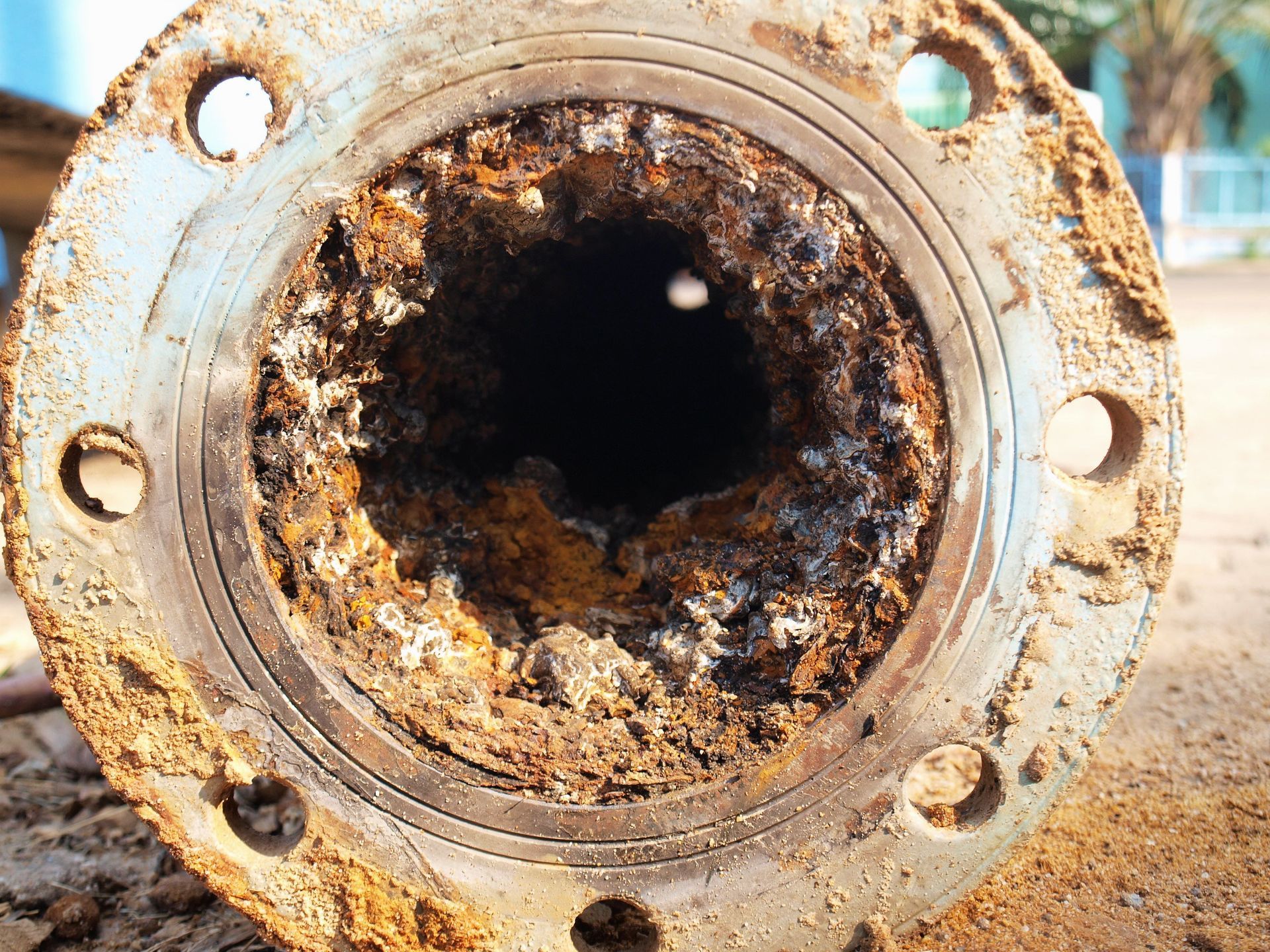
- Visible rust, corrosion, or cracks on exterior pipes
- An unexplained increase in the monthly water bill
- Soil erosion or settling near a buried water line
A wet patch in the yard is often blamed on sprinklers, recent watering, or poor drainage. Those are reasonable possibilities, but they should not be assumed without checking. If the area stays damp even when irrigation is turned off, or if water appears during dry weather, an underground plumbing leak may be the cause.
Changes in water pressure can provide another clue. If one outdoor faucet has weak pressure while indoor fixtures and other exterior faucets work normally, the issue may be limited to that fixture or its supply connection. If several outdoor fixtures suddenly lose pressure, the problem could involve a larger section of the exterior water line.
Homeowners may also notice that a hose bib feels loose when attaching or removing a garden hose. Repeated pulling, twisting, or leaving a heavy hose connected can place stress on the fixture. If the faucet moves at the wall, continuing to use it may worsen damage to the pipe or connection behind it.
The following symptoms deserve prompt attention from a plumber:
- Water entering the wall or foundation area
- A leak that continues when the fixture is fully closed
- Standing water with no irrigation or rainfall
- A sudden drop in outdoor water pressure
- Visible damage after digging or landscaping work
- A rapidly increasing water bill with no clear explanation
Not every outdoor leak requires a major excavation or complete pipe replacement. Many hose bib problems are caused by a worn internal component or a damaged fixture that can be repaired or replaced directly. The key is determining where the water is actually escaping before choosing a solution.
Ignoring the problem can allow water to spread into areas where it causes more damage. Saturated soil can affect landscaping, wash away mulch, contribute to erosion, or create muddy areas around walkways. Water near the home may also affect exterior materials or collect where pests are more likely to gather.
When outdoor plumbing begins behaving differently, it is better to have the source checked early. A professional inspection can help Sacramento homeowners distinguish between a simple fixture repair, a damaged connection, and a buried water line problem before unnecessary water loss or property damage continues.
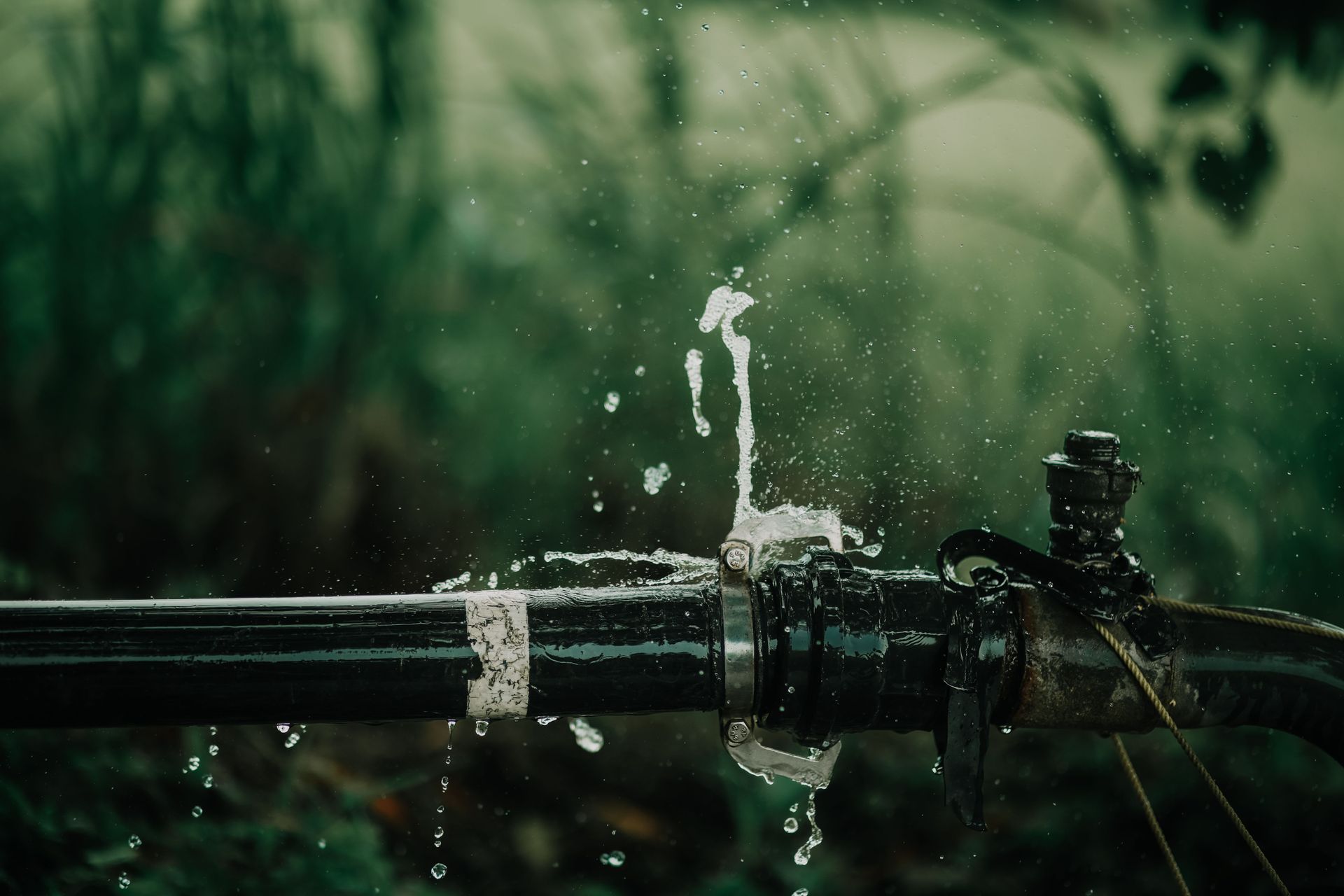
Common Causes of Leaking Hose Bibs and Exterior Water Lines
Outdoor plumbing fixtures are exposed to conditions that indoor fixtures rarely experience. Heat, sunlight, soil, landscaping tools, and repeated hose use can all contribute to wear. Understanding how these problems begin can make it easier to recognize when a repair is needed.
Inside a hose bib are washers, seals, valves, threads, and other small components that help control water flow. Over time, these parts can wear down, harden, loosen, or become damaged. A faucet may begin dripping from the spout, leaking around the handle, or failing to close completely.
The connection between the hose bib and the home can also weaken. Pulling a long or heavy hose around the yard may place pressure on the fixture, especially if the hose catches on landscaping or furniture. Repeated force can loosen the connection or damage the pipe behind the wall.
Other common causes of outdoor plumbing damage include:
- Age-related deterioration of pipes and fittings
- Corrosion on exposed or buried metal components
- Accidental impact from lawn equipment or vehicles
- Damage caused by digging, planting, or landscape installation
- Movement in the soil around buried water lines
- Tree-root growth near underground piping
- Improper previous repairs or poorly supported fixtures
- Excessive pressure placed on hose connections
Landscaping projects are a frequent source of accidental damage. Installing trees, fencing, drainage systems, lighting, or new planting beds may involve digging in areas where water lines are buried. Even a small nick or crack can worsen over time as the line remains under pressure.
Soil conditions can also affect exterior plumbing. Ground movement, settling, erosion, or pressure from growing roots may shift a buried line or stress a connection. The damage may begin slowly, making the leak difficult to detect until a wet area forms at the surface.
When the Problem Is Below the Ground
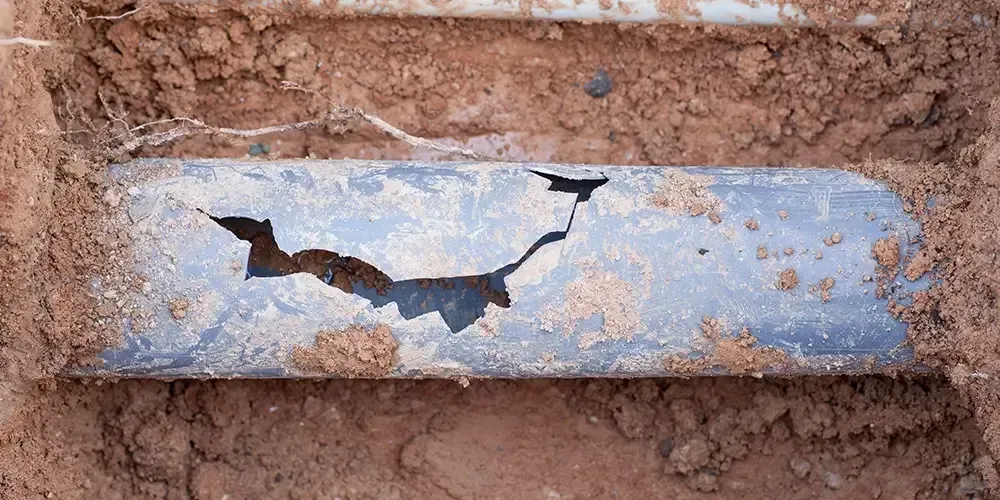
Underground outdoor plumbing leaks can be more difficult to identify because the source is hidden. Water may travel through the soil before appearing several feet away from the damaged pipe. This means the wettest spot in the yard is not always directly above the leak.
A buried line problem may be suspected when moisture remains present even after irrigation is turned off. Homeowners may also notice unusually lush grass, soil that feels soft underfoot, or water surfacing near a walkway, planter, or exterior wall.
Other clues that the problem may involve an underground water line include:
- Persistent soggy ground during dry weather
- Water bubbling or pooling from the soil
- Reduced pressure at multiple outdoor fixtures
- Unexplained water use when fixtures are off
- Cracks, settling, or erosion in one section of the yard
- A damp area that continues expanding
Professional evaluation helps narrow down the location and type of damage before repair work begins. A typical outdoor plumbing inspection may include:
- Inspecting visible hose bibs, valves, pipes, and connections
- Confirming when the leak appears and how quickly water collects
- Checking water flow and pressure at affected fixtures
- Determining whether the source is the fixture, wall connection, or buried line
- Evaluating the condition and accessibility of the damaged area
- Recommending repair or replacement based on the findings
Locating the source accurately is important because it can prevent unnecessary digging. Excavating a large portion of the yard without confirming the likely leak area can increase labor, disturb landscaping, and add avoidable repair costs.
The correct repair depends on what is damaged. A worn hose bib may only need a direct replacement. A leaking connection inside the wall may require access to the supply pipe. A deteriorated underground line may need a damaged section removed or a larger portion replaced.
Homeowners should avoid using temporary patches as a long-term solution. Tape, sealants, clamps, and other quick fixes may reduce visible leaking for a short time, but they do not correct corrosion, cracked pipe, or a failing connection. In some cases, they can make it harder to evaluate the original damage.
It is also helpful to tell the plumber about any recent work near the area. New landscaping, irrigation changes, patio installation, excavation, or construction may point toward a likely cause. Details about when the wet area first appeared and whether the water bill changed can also help with diagnosis.
A careful inspection gives homeowners a clearer understanding of the problem before repairs begin. Instead of assuming the worst, the plumber can determine whether the issue is isolated, widespread, or related to a fixture that has simply reached the end of its useful life.

Repairing and Upgrading Outdoor Plumbing Fixtures
Outdoor plumbing repair is not always limited to stopping a leak. It can also be an opportunity to improve how the yard, patio, or outdoor living area functions. When fixtures are poorly placed, difficult to use, or repeatedly failing, replacement or relocation may be more practical than another temporary repair.
A hose bib may be repairable when the problem involves a worn washer, packing nut, seal, or other accessible component. Replacement may be recommended when the fixture is heavily corroded, cracked, loose at the wall, or repeatedly leaking despite previous repairs.
The condition of the connected pipe also matters. Installing a new faucet on a damaged or unstable supply connection will not correct the underlying problem. A plumber should inspect the surrounding piping and make sure the fixture is properly supported before returning it to service.
Homeowners may consider adding or upgrading outdoor plumbing for projects such as:
- Installing a new hose bib closer to a garden or side yard
- Relocating an inconvenient exterior faucet
- Adding water access near a patio or outdoor living space
- Installing plumbing for an outdoor sink
- Providing water to a gardening or potting area
- Replacing an aging outdoor water-service line
- Adding plumbing for an outdoor kitchen
- Installing a gas connection for a grill or outdoor appliance
Outdoor kitchens have become popular in Sacramento because they allow homeowners to use patios and backyards for cooking, dining, and entertaining. These projects may require water, drainage, and gas connections, depending on the appliances and fixtures being installed.
Gas lines for grills, cooktops, or outdoor fireplaces should be professionally planned and tested. The line must be properly sized, routed, supported, and connected to the appliance. Treating the project as a simple hookup can lead to unreliable appliance performance or unsafe conditions.
Water and drain lines also need to be positioned with the full outdoor layout in mind. Plumbing should not interfere with walkways, landscaping, cabinetry, or future patio improvements. Planning these details before construction begins can prevent finished surfaces from being opened again later.
Before adding new outdoor plumbing, homeowners should consider:
- Which fixtures or appliances will need water, drainage, or gas
- How often the area will be used
- Whether the plumbing will be exposed or concealed
- Where shutoff valves and service access should be located
- How landscaping and hardscaping may change in the future
- Whether the existing system can support the planned additions
- How the new plumbing will be protected from damage
Coordinating outdoor plumbing with landscaping and construction can save time and reduce disruption. If a patio, walkway, kitchen island, or retaining wall is planned, the plumbing should be installed or prepared before those finishes are completed.
Outdoor Plumbing Services in Sacramento and Fair Oaks
Outdoor plumbing problems can begin with something as small as a dripping faucet, but they can affect much more than the fixture itself. Water may damage landscaping, erode soil, reach the foundation, or increase utility costs when the source is left unresolved.
Infinity Plumbing & Septic helps homeowners evaluate outdoor plumbing concerns and determine the most practical repair. Whether the problem involves a leaking hose bib, damaged exterior pipe, buried water line, outdoor sink, or gas connection for an outdoor kitchen, the first step is identifying the source accurately.
Professional outdoor plumbing service can help homeowners:
- Stop leaks before they damage the yard or home
- Restore reliable pressure to exterior fixtures
- Replace corroded or deteriorated plumbing components
- Improve access to water for gardening and maintenance
- Plan plumbing for patios and outdoor kitchens
- Install gas connections for outdoor appliances
- Coordinate plumbing with future landscaping or construction
The most effective solution depends on the condition of the fixture, the location of the leak, and the surrounding property. A simple repair may be enough when the problem is limited to one component. Replacement may be the better long-term option when corrosion, repeated failure, or underground damage is present.
Homeowners in Sacramento, Fair Oaks, Roseville, Rocklin, Folsom, Lincoln, Elk Grove, and nearby communities should not ignore outdoor plumbing changes simply because the water is outside. A growing wet area, loose hose bib, falling pressure, or unexplained water use deserves the same attention as an indoor leak.
If you notice a leaking exterior faucet, soggy ground, damaged outdoor pipe, or problems with an outdoor kitchen connection, contact Infinity Plumbing & Septic. A professional inspection can help locate the issue, explain the repair options, and restore dependable outdoor plumbing before the problem spreads.
Taking care of outdoor plumbing early can protect your landscaping, reduce wasted water, and make your exterior spaces easier to use. Whether you need a straightforward repair or are planning a new outdoor feature, professional plumbing support helps ensure the system is designed and installed for long-term performance.