Tankless vs. Traditional Water Heaters: Which Is Better for Your Sacramento Home?
How Tank and Tankless Water Heaters Work Differently
When it is time to replace a water heater, many homeowners automatically assume they should install the same type of system they already have. That may be the right choice, but it is not the only option. Homeowners throughout Sacramento, Fair Oaks, and the surrounding area can choose between traditional storage-tank water heaters and tankless systems, and each type offers its own advantages depending on the home and the way hot water is used.
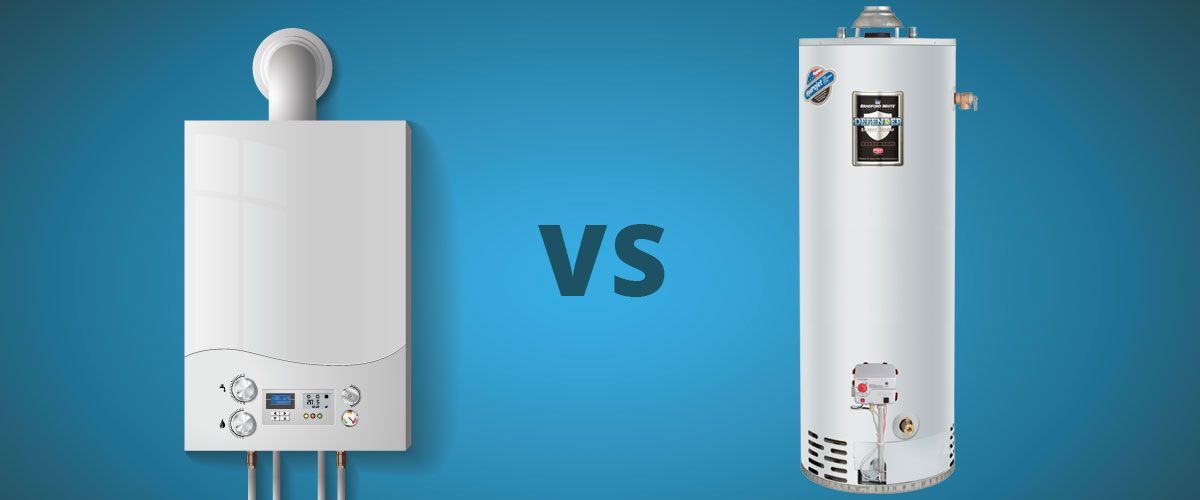
A traditional water heater stores a set amount of heated water inside a tank so it is ready when you turn on a shower, sink, dishwasher, or washing machine. Tankless water heaters work differently. Instead of keeping a tank full of hot water, they heat water as it moves through the system when a hot-water fixture is being used.
Because the two systems operate differently, choosing between them involves more than simply comparing equipment. Household size, available space, hot-water demand, energy use, the condition of the existing plumbing, and installation requirements can all affect which option makes the most sense for a particular Sacramento-area home.
What Homeowners Should Consider Before Choosing
There is no single water heater that is automatically the best choice for every household. A family that frequently runs multiple showers and appliances at the same time may have different priorities from a smaller household that wants to save space and improve efficiency. Before deciding between a tank and tankless water heater, it helps to look at how the home actually uses hot water.
- Household size: Larger households typically have greater hot-water demand, especially during busy mornings and evenings.
- Daily hot-water habits: Frequent showers, laundry, dishwashing, and simultaneous use can influence the size and type of water heater needed.
- Available space: A traditional tank requires room for the storage unit, while a tankless system can often be installed in a more compact area.
- Existing plumbing and utilities: Switching water heater types may require changes to gas, electrical, venting, or plumbing connections.
- Upfront budget: Installation costs can vary depending on the equipment and whether modifications are required.
- Long-term priorities: Energy efficiency, maintenance, space savings, and expected equipment life may all play a role in the decision.
Traditional water heaters remain popular because they are familiar, dependable, and available in a range of sizes. For many homes, replacing an existing tank-style unit with another appropriately sized system can be relatively straightforward. The stored supply of hot water can also be helpful in households where several fixtures are used at once.
Tankless systems appeal to homeowners for a different set of reasons. Because they heat water when it is needed rather than continuously maintaining a full tank, they can be an efficient option when properly sized and installed. They also take up less floor space, which can be valuable in homes where utility areas, garages, or closets are already crowded.
If you are considering water heater replacement in Sacramento or Fair Oaks, the best first step is to evaluate the current system along with the needs of the household. A professional plumber can help determine the appropriate capacity, installation requirements, and whether staying with a traditional tank or switching to a tankless water heater makes more sense for the home.
Which Water Heater Fits the Way Your Household Uses Hot Water?
One of the biggest differences between traditional and tankless water heaters is how they respond to demand. A storage-tank system heats and holds a specific amount of water. Once that supply is used, the unit needs time to heat another tankful. A properly sized tankless system can provide hot water as it is needed, but the amount it can heat at one time still depends on the unit's capacity and the number of fixtures being used simultaneously.
This is why water heater sizing matters so much. Choosing a system that is too small for the household can lead to frustrating temperature changes or insufficient hot water. Choosing equipment based only on price can also overlook important factors such as flow rate, fuel source, available utilities, and how many people regularly use hot water during the same part of the day.
Homeowners comparing water heater installation options in Sacramento should consider several practical differences between the two systems.
- Hot-water availability: Traditional units provide the amount stored in the tank, while tankless units heat water on demand within the system's rated capacity.
- Space: Tank-style units require more physical room, while tankless systems are generally much more compact.
- Energy use: Tankless systems avoid continuously maintaining a large volume of heated water, which may improve efficiency depending on usage and installation.
- Installation: Replacing a tank with another tank can sometimes require fewer changes than converting the home to a tankless system.
- Maintenance: Both types of water heaters benefit from routine professional maintenance to help support performance and longevity.
- Household demand: The number of bathrooms, occupants, fixtures, and appliances should all be considered when selecting equipment.
When Switching to a Tankless Water Heater May Make Sense
A tankless water heater can be worth considering when an existing system is nearing the end of its useful life and the homeowner is already planning a replacement. That creates an opportunity to look at the home's current hot-water needs rather than simply replacing the old equipment with an identical setup.
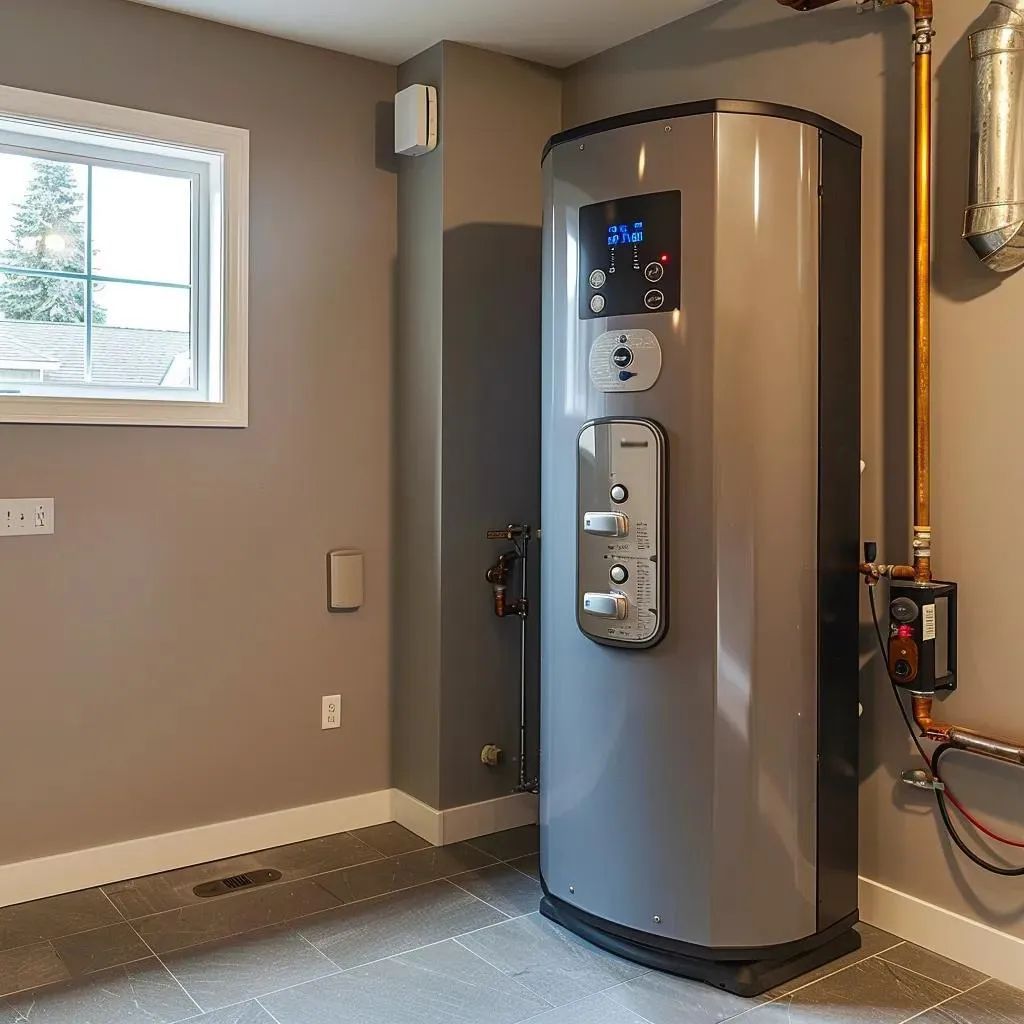
Space can be another major reason to consider tankless water heater installation. In some Sacramento-area homes, a bulky storage tank occupies valuable room in a garage, utility space, or closet. A more compact system may free up usable space, although the exact installation location and requirements should always be evaluated by a qualified plumber.
Homeowners may also be interested in tankless systems because of efficiency and convenience. Since the system heats water as needed, there is no large tank constantly holding hot water between uses. For households interested in updating older plumbing equipment, this can be an appealing feature.
That does not mean tankless is automatically the best choice. Conversion costs can be higher if the home requires changes to gas lines, electrical service, ventilation, or other components. The system must also be properly sized for peak demand. If several people regularly shower while the dishwasher and washing machine are running, the plumber needs to account for that usage when recommending equipment.
Why a Traditional Water Heater Can Still Be the Right Choice
Traditional water heaters remain a practical option for many homes in Sacramento, Fair Oaks, Citrus Heights, Carmichael, and surrounding communities. If the existing setup already works well for the household, replacing an aging tank with a newer high-efficiency model may provide the performance homeowners need without requiring a major change to the plumbing system.
Storage-tank systems are also available in different capacities, allowing a plumber to match the unit to the size of the home and typical hot-water use. For households that prefer a familiar system or want to keep the replacement process straightforward, a traditional water heater can still be an excellent fit.
The best decision is usually based on the individual property rather than a general rule. A professional water heater installation should account for the home's layout, current utilities, number of occupants, fixture use, and long-term plans. That helps homeowners avoid choosing a system that looks good on paper but does not match the way they actually use hot water every day.
How to Know When Your Current Water Heater May Need Replacement
Homeowners do not always start comparing tankless and traditional water heaters because they are planning an upgrade. Often, the decision begins because the existing system is becoming unreliable. Water heaters can gradually lose performance, making it easy to overlook the early signs until hot water becomes inconsistent or the unit develops a more serious problem.
Some issues can be repaired, while others may indicate that an older system is approaching the point where replacement makes more financial and practical sense. Having a plumber inspect the unit can help determine whether a repair is reasonable or whether it is time to begin comparing replacement options.
- Hot water runs out faster than it used to: A noticeable drop in available hot water can indicate reduced performance or an aging system.
- Water temperatures fluctuate: Hot water that becomes unexpectedly cool or changes temperature frequently deserves professional attention.
- The unit makes unusual noises: Popping, rumbling, or other new sounds can sometimes be associated with sediment or wear inside a traditional water heater.
- Water appears around the unit: Any visible leaking should be investigated quickly to determine where the water is coming from.
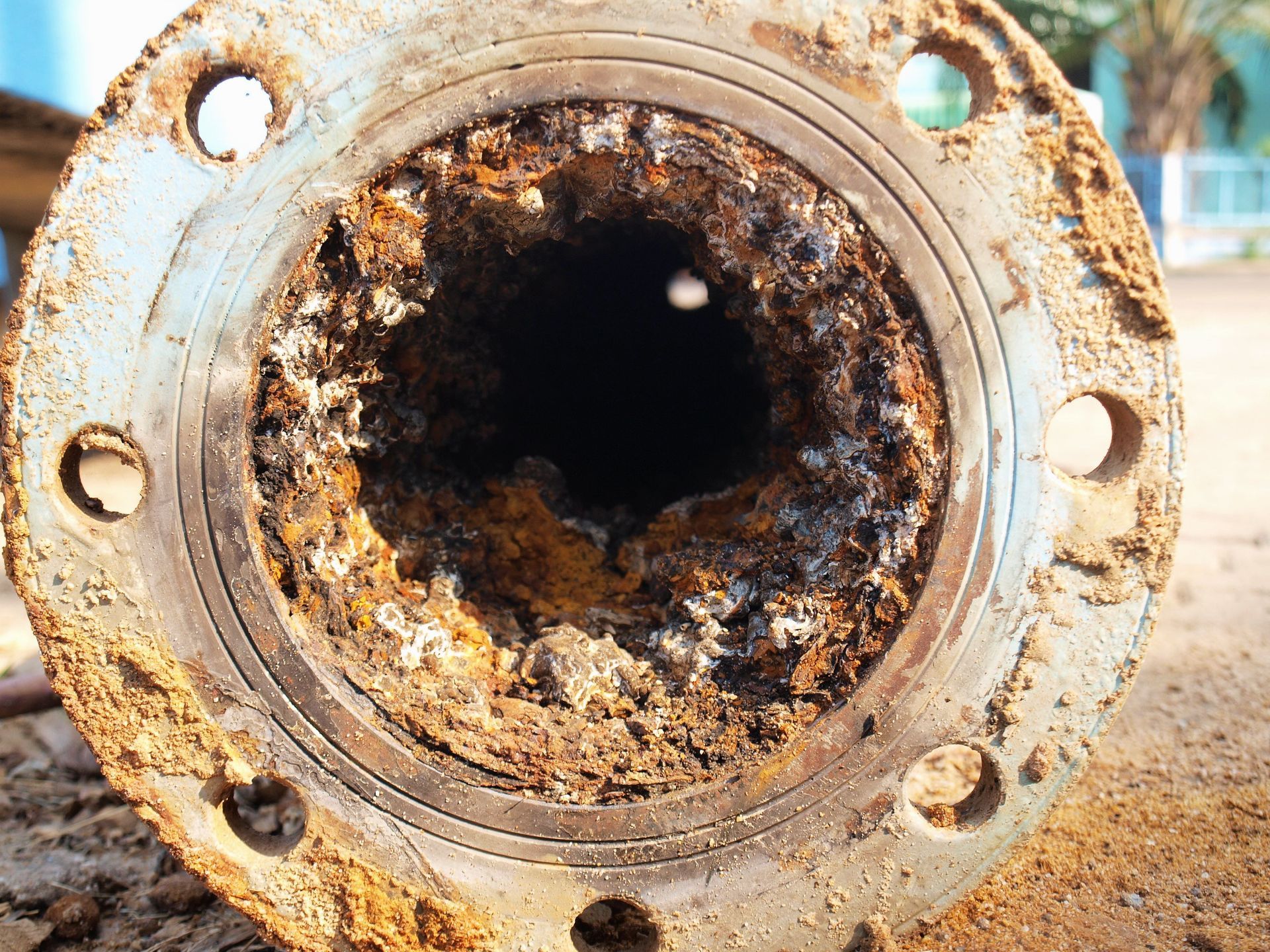
- Hot water looks rusty or discolored: Changes in water appearance can indicate an issue that should be evaluated by a plumber.
- Repairs are becoming more frequent: Repeated service calls on an older unit may be a sign that replacement should be considered.
- The system no longer meets household demand: Changes in family size or water-use habits can make an older or undersized system less practical.
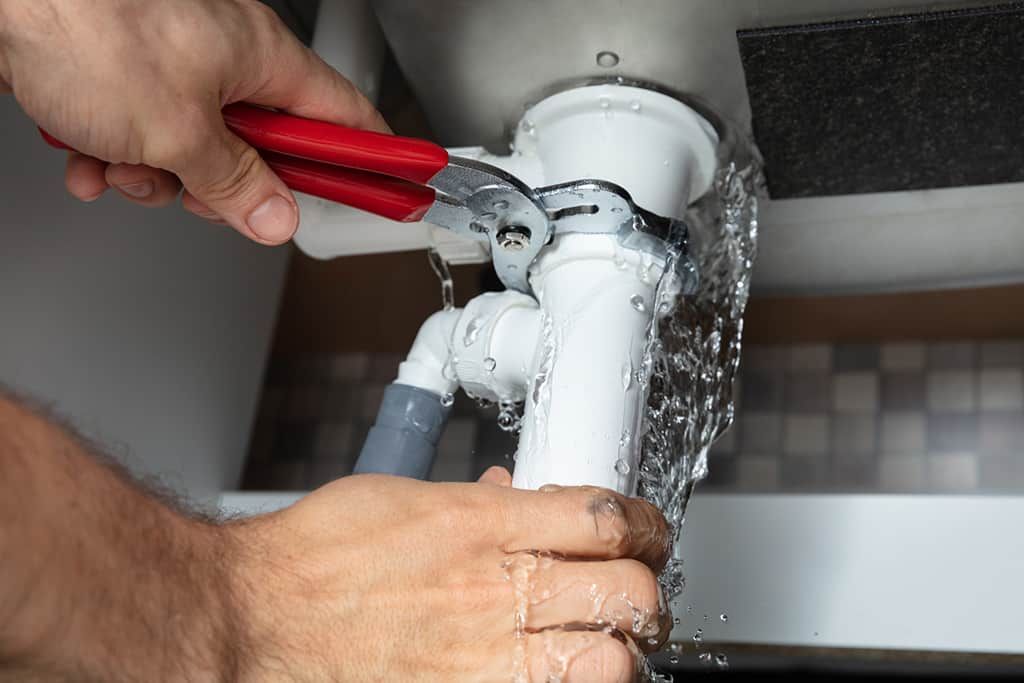
A leaking water heater should never be ignored simply because it is still producing hot water. Even a small amount of water around the unit can eventually affect flooring, walls, cabinetry, or surrounding materials. Prompt evaluation can help determine whether a connection, valve, component, or the tank itself is responsible.
Replacement can also be an opportunity to reassess the home's needs. A system that was appropriately sized years ago may no longer be ideal if more people now live in the home, bathrooms have been added, or daily water-use habits have changed. Instead of automatically installing the same equipment, homeowners can compare available water heater options and choose a system better suited to their current lifestyle.
Water Heater Installation in Sacramento, Fair Oaks, and Surrounding Areas
Infinity Plumbing Sewer & Drain provides residential plumbing services throughout Sacramento, Fair Oaks, and nearby communities, including water heater installation and replacement. Whether a homeowner prefers a traditional storage-tank unit or is interested in converting to a tankless water heater, the first step is determining what will work properly with the home and the household's hot-water demand.
A professional plumber can evaluate the existing system, available installation space, fuel or electrical requirements, household size, and expected hot-water use. That information makes it easier to compare options based on actual performance needs rather than simply choosing the largest unit or the newest technology.
Infinity Plumbing Sewer & Drain serves customers across the greater Sacramento region, including Fair Oaks, Rancho Cordova, Citrus Heights, Folsom, Carmichael, Orangevale, Rocklin, El Dorado Hills, Roseville, Elk Grove, and surrounding communities. For homeowners searching for water heater installation in Sacramento, water heater replacement in Fair Oaks, or tankless water heater services in the surrounding area, choosing a local plumbing company can make the planning and installation process more straightforward.
Choose the Water Heater That Fits Your Home
The choice between a tankless and traditional water heater ultimately comes down to what works best for the home. Tankless systems can offer compact installation and on-demand operation, while traditional water heaters remain a dependable and practical choice for many households. Neither option should be selected without considering how much hot water the home actually needs.
Before making a decision, homeowners should think about the number of people in the household, when hot water is used most heavily, how much installation space is available, and whether they are comfortable making changes to the existing setup. A professional evaluation can help put those factors into perspective.
- Review how much hot water your household typically uses.
- Consider whether your current water heater still meets that demand.
- Think about available space and long-term efficiency priorities.
- Compare the installation requirements for tank and tankless systems.
- Have a plumber recommend the correct system size before purchasing new equipment.
If your current water heater is becoming unreliable or you are simply ready to explore a different option, Infinity Plumbing Sewer & Drain can help you compare traditional and tankless water heater systems for your Sacramento-area home. Choosing the right equipment now can help provide reliable hot water that better matches the needs of your household for years to come.